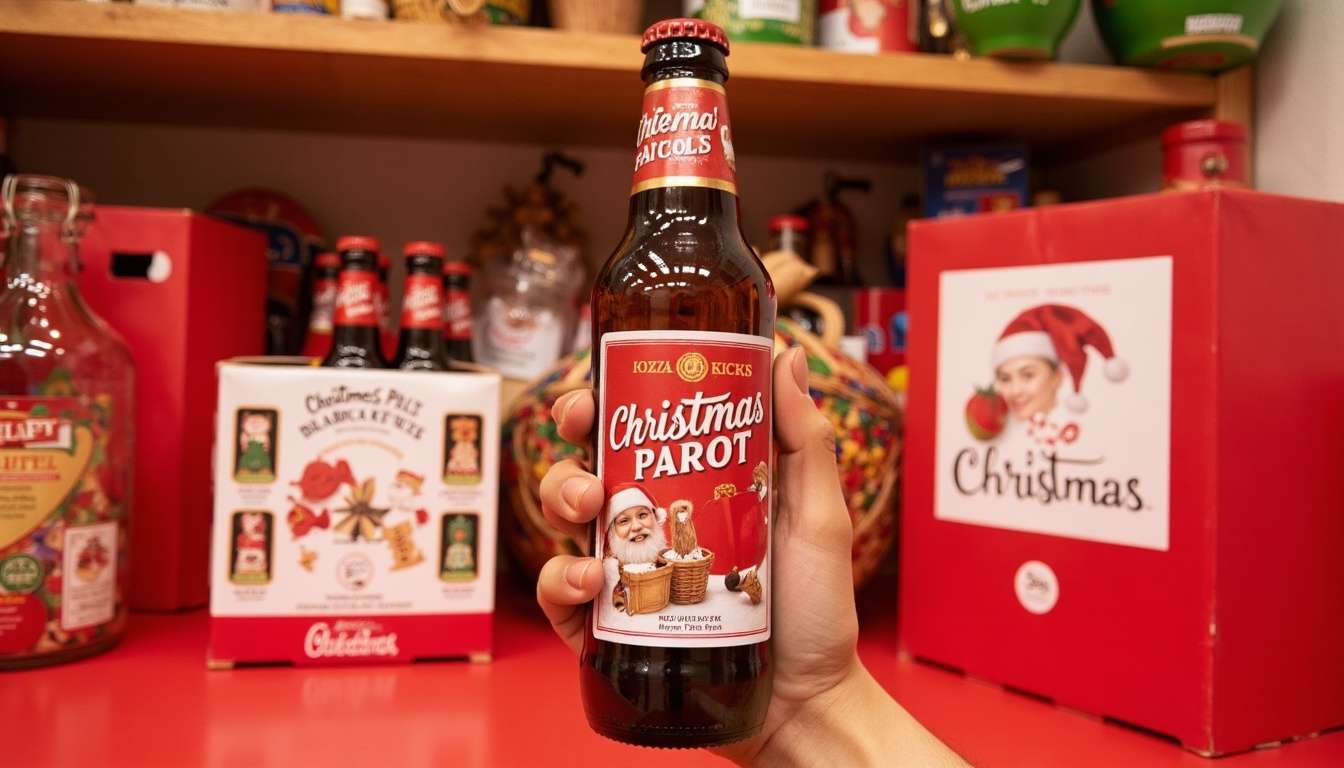
Research into consumer behavior reveals a few key strategies that can significantly increase the effectiveness of holiday promotional packaging. From emotional engagement to sustainability, here’s a deep dive into best practices for designing packaging that not only attracts attention but also boosts your bottom line.
1. It's the season to be jolly...tap into that
One of the most powerful aspects of holiday packaging is its ability to tap into consumers' emotions. During the holiday season, shopping is often motivated by feelings of nostalgia, joy, and generosity. According to a study by Nielsen (2016), brands that evoke an emotional response are 24% more likely to drive purchase behavior. Consumers are drawn to products that make them feel good, especially around the holidays when emotions run high.
For effective holiday packaging, this emotional appeal can be achieved by incorporating elements that evoke the festive spirit. Warm colors such as red, green, gold, and silver are perennial favorites because they are traditionally associated with the holidays. Additionally, subtle designs like snowflakes, stars, or gift motifs can trigger nostalgic feelings, reminding consumers of past holiday seasons.
A research study by Harvard Business Review (2020) found that people are more likely to buy products that evoke memories of their own festive traditions. By using packaging that reflects this emotional resonance, brands can create a deeper connection with consumers, enhancing both purchase intent and loyalty.
2. Wrap it in sustainability
Sustainability has become a major concern for consumers, with an increasing number of shoppers prioritizing eco-friendly products and packaging. A 2019 survey by Mintel found that 73% of global consumers are willing to pay a premium for sustainable packaging. This trend is especially prominent during the holidays, when waste tends to peak, and many consumers seek brands that align with their environmental values.
For holiday packaging, sustainability can be incorporated through the use of recyclable materials, compostable plastics, or minimalistic design that reduces waste. According to a 2019 study by McKinsey & Company, brands that are seen as eco-conscious enjoy a 30% higher likelihood of repeat purchases. Brands can also leverage sustainable packaging to differentiate themselves in a crowded marketplace, where consumers are increasingly aware of environmental impact.
However, it’s important that sustainability claims are clear and transparent, as greenwashing can undermine consumer trust.
3. Make it ready to give
The holiday season is often synonymous with gift-giving, and many consumers view products through the lens of whether they make a suitable gift. In fact, a 2021 survey by Accenture found that over 70% of holiday shoppers prefer to purchase items that come in ready-to-gift packaging. For FMCG brands, this represents a huge opportunity to cater to this demand by designing packaging that requires minimal effort on the consumer's part.
Effective holiday packaging for gifts should have a high aesthetic appeal but also be functional and durable enough to protect the product during transport. For example, brands can use decorative boxes, resealable gift bags, or even personalized wrapping features such as built-in ribbons.
Moreover, multi-pack options often perform well during the holidays, as they offer value and flexibility for group gifting. A 2022 report by Deloitte showed that gift sets and bundles make up a significant portion of holiday shopping, with many consumers purchasing items that can be shared. Packaging these products in a way that conveys this sharing spirit can enhance the giftability and desirability of the product.
4. Unwrap the power of scarcity
The concept of scarcity is a well-known psychological trigger, and its power is amplified during the holidays. Studies by Cialdini (2009) suggest that consumers are more likely to purchase products when they believe they are in limited supply, particularly around the holidays. This principle of scarcity marketing is highly effective when applied to seasonal products, as it can create a sense of urgency and exclusivity.
To capitalize on this, brands should consider releasing limited-edition holiday designs that stand out from their regular offerings. Clear labeling, such as “Limited Edition” or “Holiday Special,” can heighten the perception of exclusivity.
Packaging should also differentiate itself from the typical product, perhaps through unique color schemes or special embellishments that clearly signal a festive, temporary offering.
Additionally, offering special promotions, like “Holiday Bundle Deals” or “Exclusive Flavors,” can further amplify the appeal of these limited-time products. Consumers who perceive a product as rare are not only more likely to buy it but also to feel a sense of pride in owning something unique.
5. Unbox joy and go viral
In today’s digital age, unboxing videos and social media shares have become key marketing tools. Research from Instagram Insights (2021) found that products with visually appealing packaging are more likely to be shared on social media, with a significant number of consumers posting images or videos of their unboxing experiences. With this in mind, it’s crucial for holiday packaging to be not just functional but also visually striking.
Packaging designs that are vibrant, photogenic, and unique are more likely to attract the attention of consumers who are eager to share their experiences. QR codes on packaging that lead to holiday-themed filters, augmented reality (AR) experiences, or exclusive online content can also make the product feel more interactive and engaging. In fact, 87% of consumers report being more likely to engage with a brand when presented with a personalized experience.
By designing packaging with social media in mind, brands can amplify their reach, leveraging user-generated content to increase visibility during the crowded holiday season.
6. Sprinkle some practical magic
Finally, holiday packaging must be practical. During the busy holiday season, consumers prioritize convenience—whether it’s ease of opening, portability, or multi-use functionality. According to a 2022 study by NielsenIQ, 66% of shoppers favor products with resealable packaging, especially for snacks and treats, which are often purchased during the holidays. This convenience factor also extends to the packaging’s durability and ease of storage. Consumers appreciate designs that protect the product but are easy to carry, especially for holiday shopping on the go.
Brands can offer added value by providing packaging that serves a secondary purpose—like reusable gift bags, storage boxes, or containers that consumers can keep after the product has been consumed. This approach adds longevity to the product experience and encourages repeat purchases.
Conclusion
Holiday promotional packaging is a powerful tool that can significantly influence purchase decisions. By understanding the psychology behind consumer behavior during the holiday season, brands can create packaging that connects emotionally, appeals to sustainability-minded consumers, and provides convenience.
Whether it’s through limited-edition designs, eco-friendly materials, or social media-worthy aesthetics, holiday packaging should be a blend of festivity and functionality. As we continue to evolve as consumers, the best holiday packaging will be those that not only stand out on the shelves but also resonate deeply with what matters most to buyers: emotion, value, and experience.
If you want to co-creat a promotional packaging that will oushine the competition and draw consumers attention, feel free to contact us.
If you wanna know more check out the references:
- Nielsen. (2016). The Power of Emotional Response in Consumer Behavior.
- Mintel. (2019). Sustainable Packaging: Consumer Trends.
- McKinsey & Company. (2019). Sustainability in the FMCG Sector.
- Cialdini, R. (2009). Influence: The Psychology of Persuasion.
- Deloitte. (2022). Holiday Shopping Trends and Consumer Preferences.
- Instagram Insights. (2021). Social Media and Product Packaging Appeal.
- NielsenIQ. (2022). Consumer Preferences for Resealable Packaging.