The primary goal of this visual identity project was to create a brand for a new private Gestalt therapy practice. The identity needed to communicate the therapist's unique approach and help clients feel at ease when seeking therapy.
The visual identity reflects the therapist's warm, nurturing, and approachable personality, which allows her clients to feel emotionally safe. By steering away from the typically formal and rigid designs often associated with mental health services, the brand seeks to break the stigma surrounding therapy and encourage people to seek help confidently.


The client faced significant challenges operating in Zadar, Croatia, where mental health services are often stigmatized. Many people fear being labeled as "lunatics" or "weak" and are reluctant to ask for help.
The client’s main goal was to attract as many clients as possible by creating a welcoming and approachable brand identity that resonated with potential clients' emotions and needs and enable them to get the courage to ask for help.
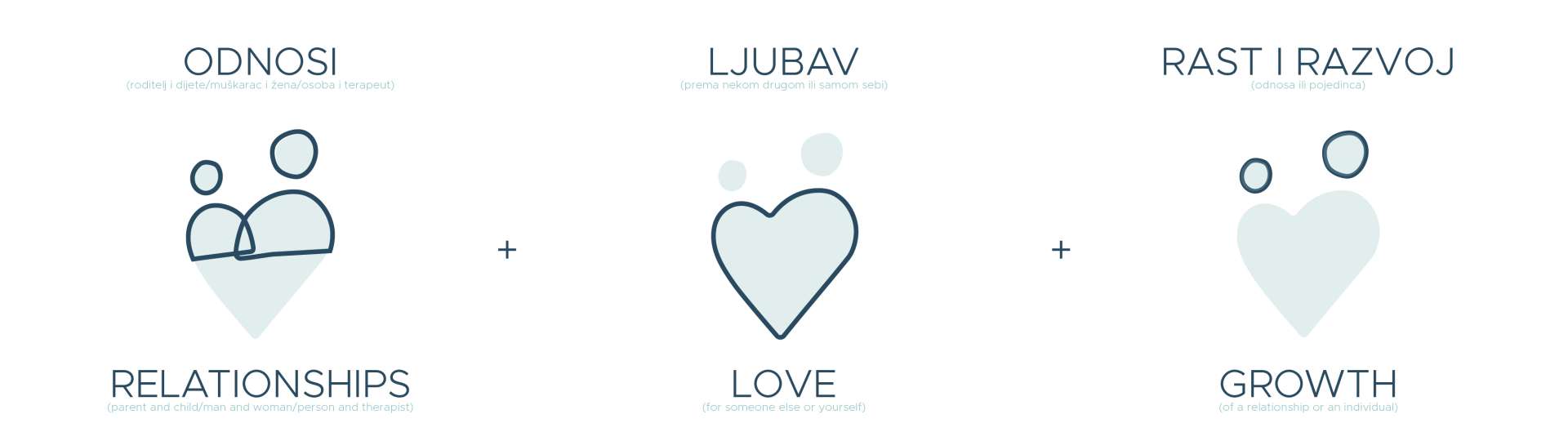
The visual identity was crafted using organic shapes and calming design elements that conveyed a sense of security and warmth. The logo incorporated symbols of relationships, love, and growth, representing the therapy process and its transformative outcomes.
Custom organic shapes and hand-drawn illustrations added a human touch, reinforcing the brand's warmth and approachability; and the color palette was chosen according to color psychology: dark blue (reliability, calmness, and honesty), turquoise (healing, protection, and self-expression), yellow (warmth, happiness, and optimism), and beige (relaxation and reliability).
The final identity is unique within the mental health space because it is more inviting and friendly than traditional competitors, helping the practice stand out in its category.
The visual identity design project spanned approximately six weeks, broken down into research, strategy, and implementation phases:
The project began with in-depth research into the client's goals, values, and target audience. This included a discovery meeting where the client shared her vision for the brand and described her ideal clients — individuals seeking therapy in a safe, welcoming environment.
We also conducted market research to analyze competitors in the therapy space and identify design trends within the mental health industry. This step confirmed that most competitors used formal, clinical designs that could feel intimidating or impersonal.
Based on the research, we developed multiple mood boards exploring visual directions that aligned with the therapist's personality and goals. These included warm, approachable, and human-centric themes that stood out against traditional designs.
We worked on sketches for the logo, focusing on combining symbols of love, growth, and relationships. The final logo emerged as a balance of these ideas, symbolizing both the process and the positive outcomes of therapy.
Once the logo concept was finalized, we moved on to creating the full visual identity, which included:
This phase also involved refining design elements to ensure all aspects of the identity worked harmoniously.
Throughout the process, we maintained clear communication with the client. While she was involved in the discovery phase, she trusted us to independently develop and refine the visual identity due to her busy schedule preparing her master’s thesis.
We provided updates during key milestones, such as presenting the initial mood boards and logo sketches, to gather feedback and ensure alignment with her vision. The final presentation included a detailed brand guidelines document and examples of the visual identity applied across mockups like business cards, letterheads, and website elements.
The project concluded with the delivery of a comprehensive visual identity package, including all finalized assets and a branding guidelines document to ensure consistency in future applications.
The process went smoothly without significant obstacles, thanks to the client’s trust and a clear, well-organized workflow.
The new identity immediately resonated with the therapist's target audience. While qualitative results reflect the client's happiness with the project, the measurable impact includes successfully building an inviting and trustworthy practice brand in a market where stigma often hinders mental health services.


